


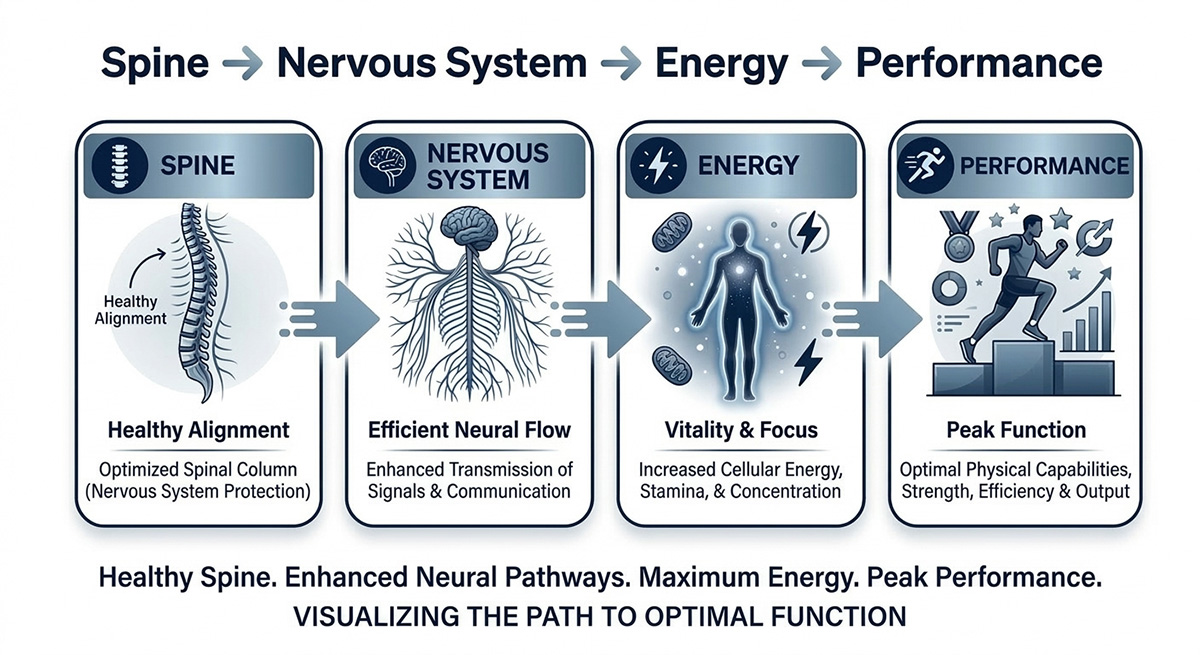
Alignment Drives Performance
Reducing Workplace Strain and Improving Energy in a Screen-Driven World
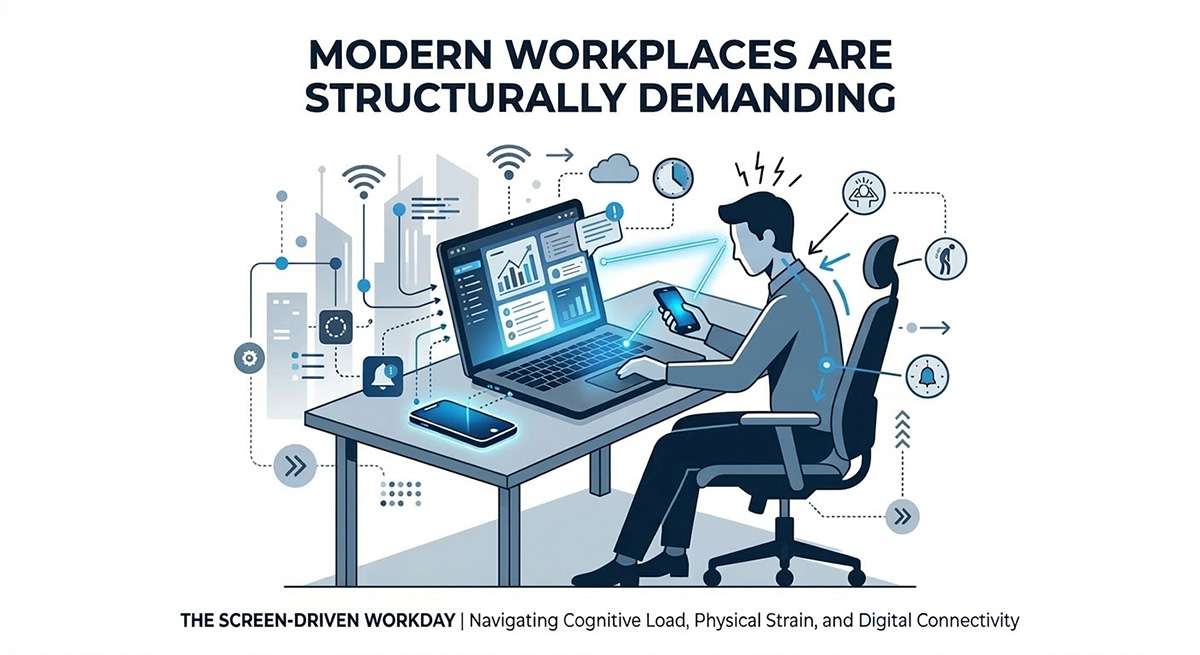
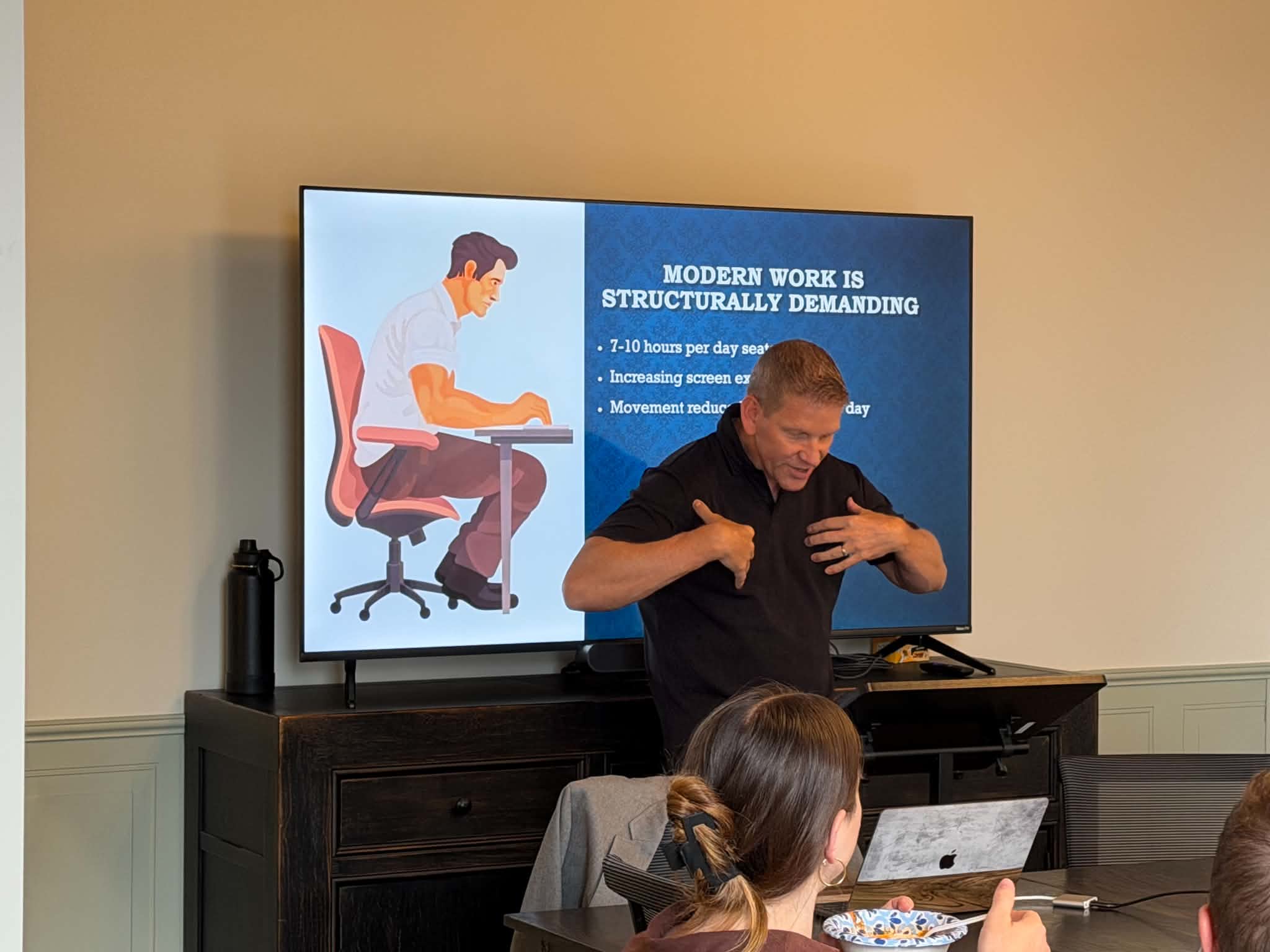
Modern work is structurally demanding. Many employees spend hours each day seated in front of screens, often in positions the body was never designed to sustain for extended periods. Over time, these patterns contribute to rising levels of neck tension, lower back discomfort, and posture-related fatigue.
Dr. Jason Gerard works with organizations to help employees better understand the relationship between posture, movement, and performance. Through engaging workplace workshops, teams learn practical strategies to reduce strain and support long-term resilience in modern work environments.




The Structural Cost of Modern Work
Across industries, organizations are seeing increasing reports of musculoskeletal discomfort tied to prolonged sitting and screen use.
Common patterns include:
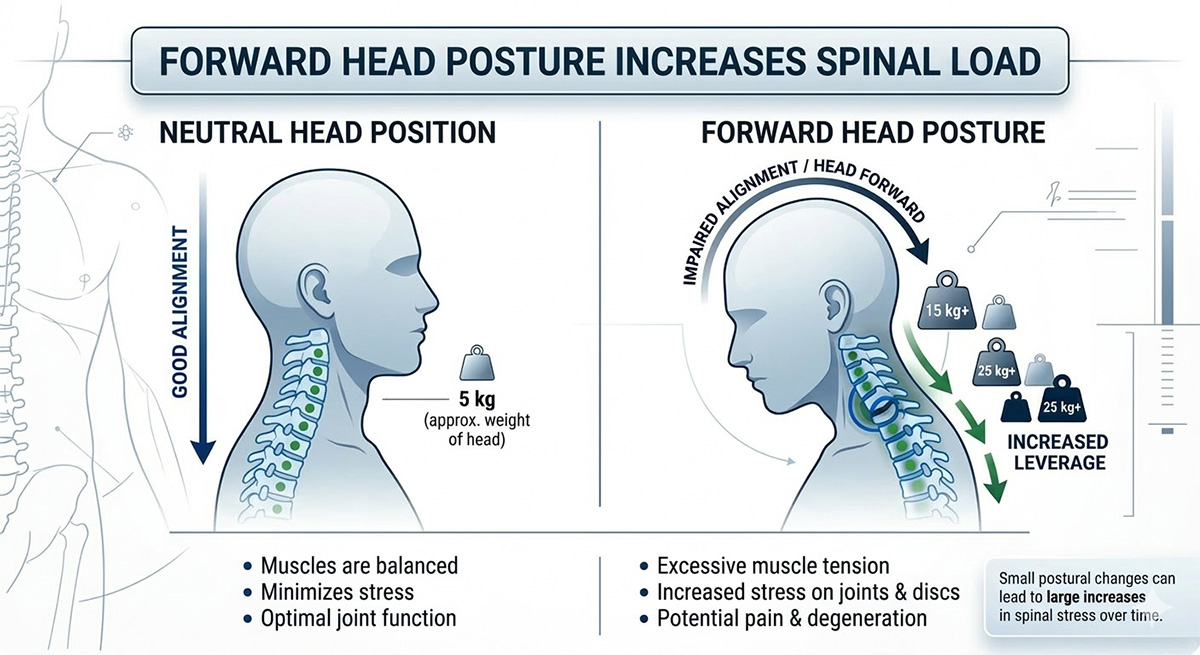
- Forward head posture
- Rounded shoulders
- Lower back strain
- Reduced breathing efficiency
- Afternoon fatigue and decreased focus
While many companies invest in ergonomic equipment and wellness initiatives, the structural mechanics behind these patterns are often overlooked.
Understanding how posture and movement habits influence physical strain helps employees maintain better energy, mobility, and long-term function.

Straighten Up at Work
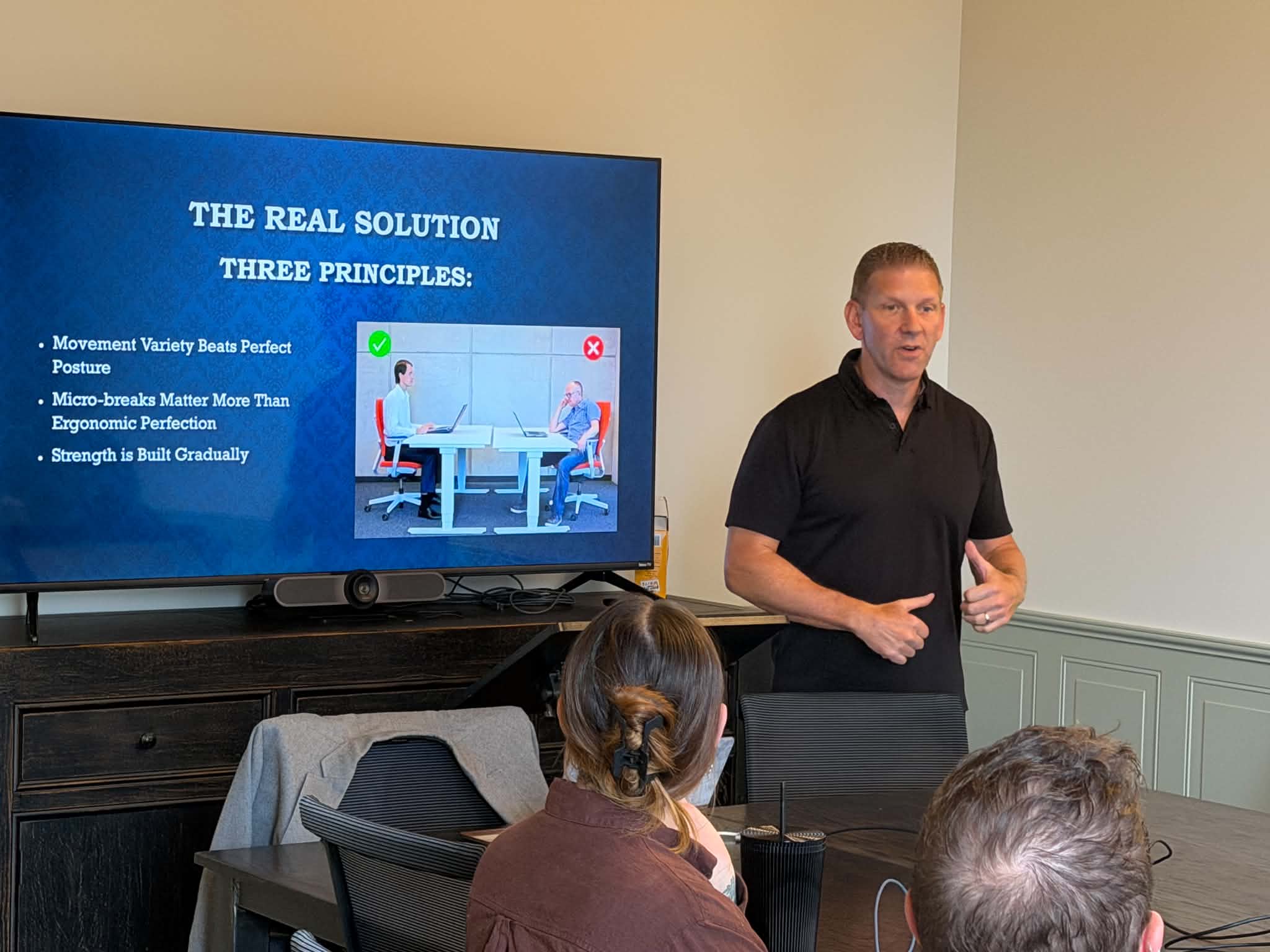
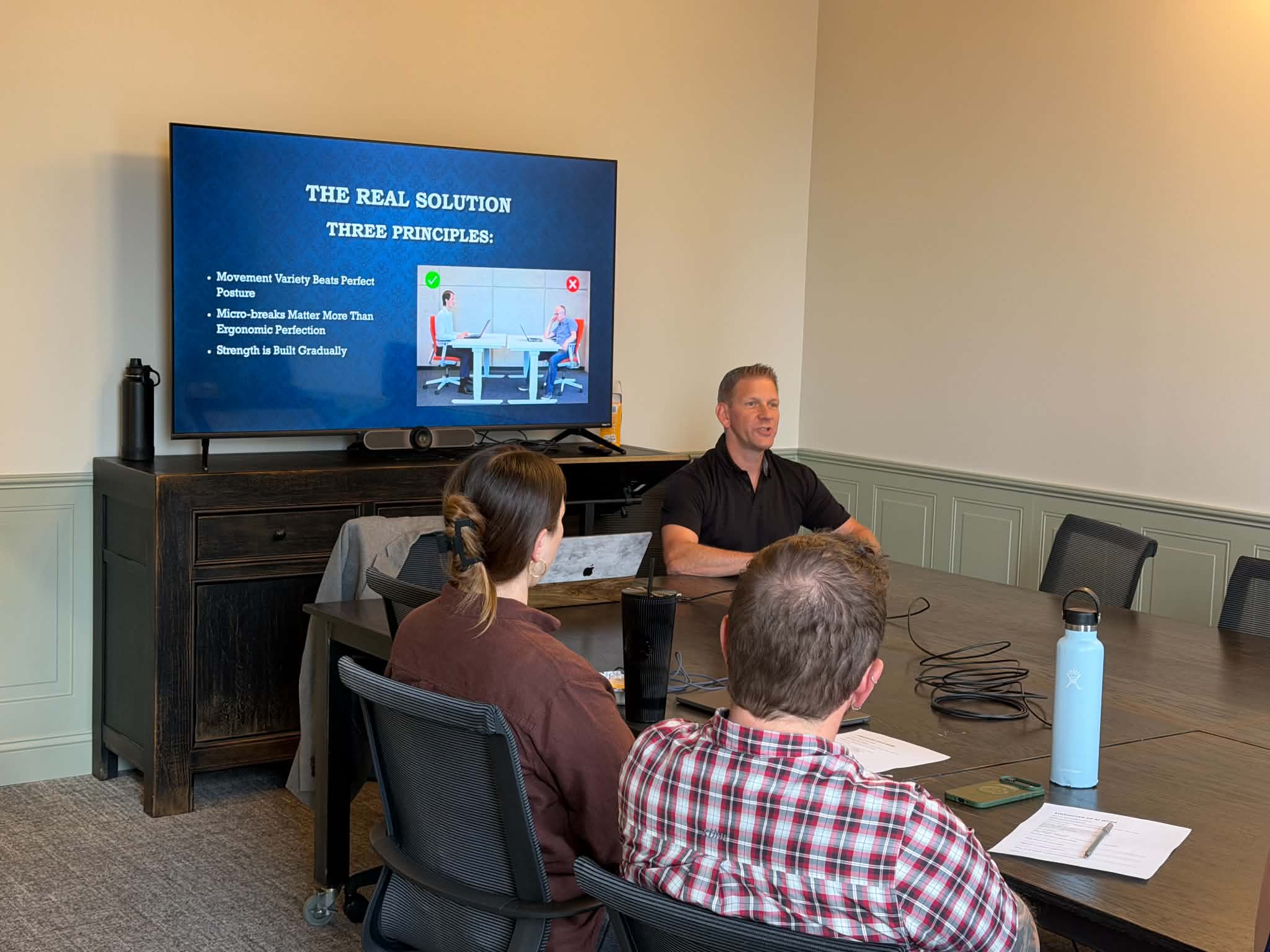
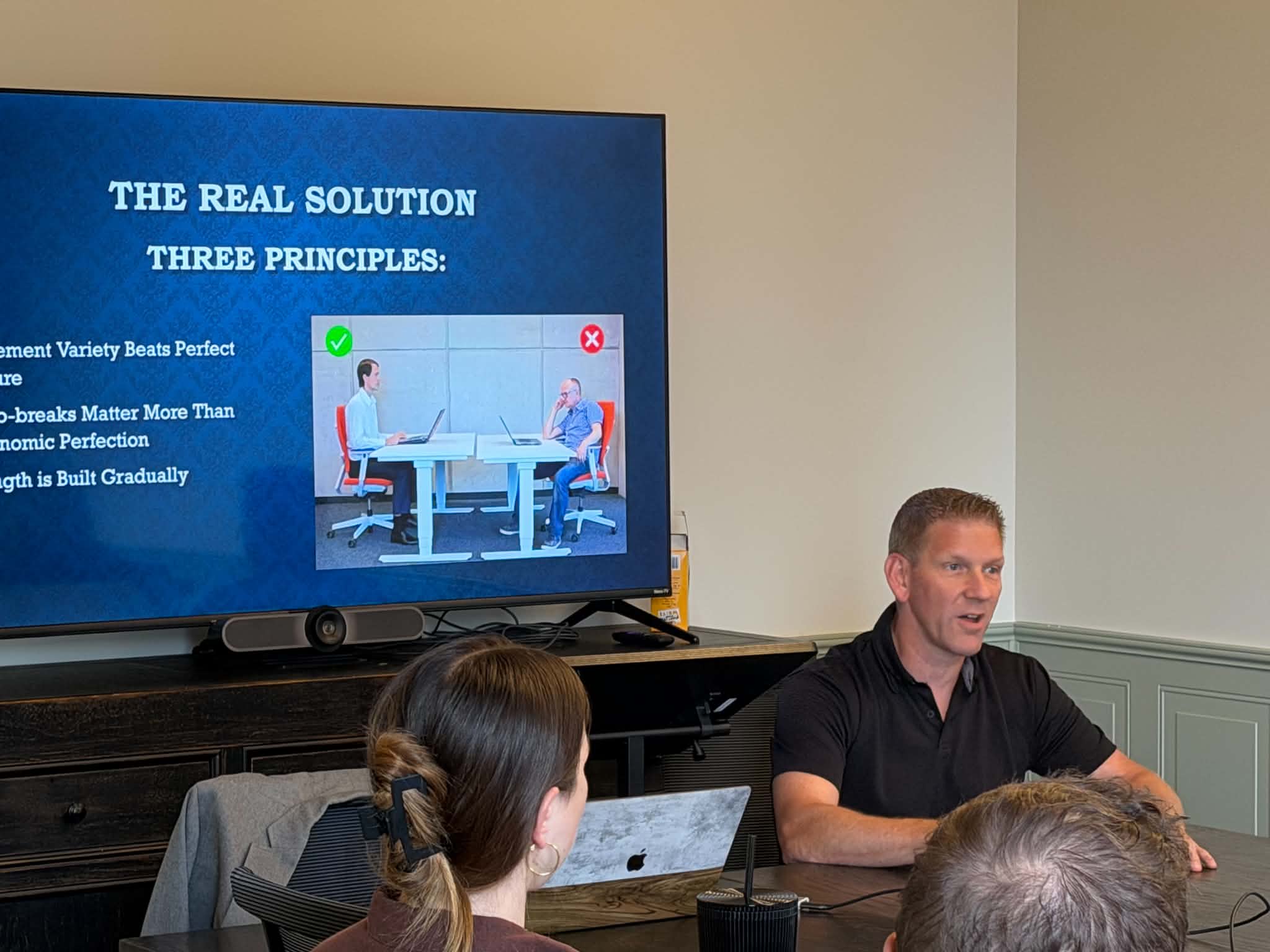
Straighten Up at Work is an interactive workplace workshop designed to help employees understand how posture, spinal mechanics, and daily movement patterns influence energy and physical stress.
The session combines clear education with practical demonstrations that employees can implement immediately during the workday.
Topics Covered:
- The structural impact of prolonged screen posture
- How posture affects breathing and energy levels
- Why ergonomics alone often falls short
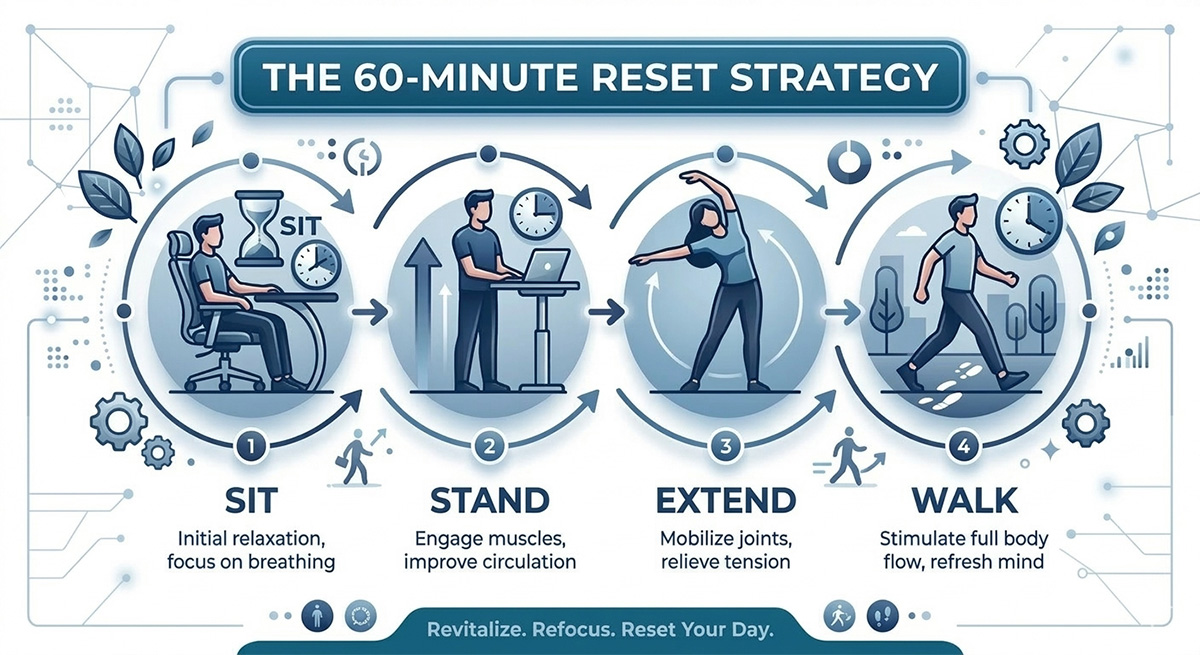
- The “60-Minute Reset” strategy for reducing strain
- Simple mobility techniques employees can perform at their desks
Supporting Workforce Health and Performance
Straighten Up at Work is an interactive workplace workshop designed to help employees understand how posture, spinal mechanics, and daily movement patterns influence energy and physical stress.
The session combines clear education with practical demonstrations that employees can implement immediately during the workday.
Organizations that introduce posture and movement education often notice:
- Reduced posture-related complaints
- Increased awareness of physical strain
- Greater engagement in workplace wellness programs
- Practical movement habits employees can sustain long-term
These workshops complement existing wellness initiatives by helping employees better understand how everyday work habits influence physical stress.
The Science Behind Poor Posture and the Cost to Employers
Poor posture is often viewed as an individual health issue, but research shows it has measurable effects on employee well-being, productivity, absenteeism, and healthcare costs. For employers, the financial impact can be substantial.
Poor Posture Contributes to Musculoskeletal Disorders (MSDs)
Prolonged sitting, awkward working positions, repetitive movements, and poor ergonomic habits increase the risk of musculoskeletal disorders affecting the neck, shoulders, back, and upper extremities.
According to the U.S. occupational safety authorities, MSDs are among the leading causes of lost work time and workplace injury claims. Office workers commonly experience:
- Reduced posture-related complaints
- Increased awareness of physical strain
- Greater engagement in workplace wellness programs
- Practical movement habits employees can sustain long-term
These conditions often develop gradually, making them difficult to identify until productivity or attendance is affected.


Back and Neck Pain Are Extremely Common
Research published in major medical journals shows:
- Approximately 80% of adults experience low back pain at some point in their lives.
- Neck pain is one of the leading causes of disability worldwide.
- Sedentary work and prolonged computer use are significant contributors to these
conditions.
Employees who spend long periods sitting can experience:
- Reduced circulation
- Muscle fatigue
- Increased spinal loading
- Reduced mobility
- Higher pain levels
Productivity Loss Often Exceeds Medical Costs
Employees frequently continue working despite discomfort, a phenomenon known as presenteeism. While employees remain at work, pain and discomfort can reduce:
- Concentration
- Energy levels
- Cognitive performance
- Engagement
- Work quality
Several workplace health studies have found that productivity losses from musculoskeletal pain can exceed direct healthcare expenses.


Absenteeism and Disability Costs
Musculoskeletal conditions are among the leading causes of:
- Sick leave
- Short-term disability claims
- Workers’ compensation claims
- Long-term disability in some occupations
The U.S. Bureau of Labor Statistics reports that musculoskeletal disorders consistently account for a large share of workplace injuries requiring days away from work.
Financial Impact on Employers
The economic burden includes:
| Cost Category | Employer Impact |
|---|---|
| Absenteeism | Lost workdays and replacement costs |
| Presenteeism | Reduced productivity while employees remain at work |
| Healthcare claims | Increased medical expenditures |
| Workers’ compensation | Higher injury-related costs |
| Turnover | Replacement and training expenses |
| Disability claims | Short- and long-term benefit costs |
Research estimates that musculoskeletal disorders cost U.S. employers tens of billions of dollars annually through a combination of medical expenses and lost productivity.
Key Statistics
- Musculoskeletal disorders account for approximately one-third of all workplace injuries requiring time away from work in the United States.
- Low back pain is among the leading causes of disability worldwide.
- Employers often lose more money from reduced productivity than from direct medical treatment costs.
- Office workers who sit for prolonged periods report higher rates of neck, shoulder, and back discomfort.


Practical Implications for Employers
Organizations that address posture and ergonomics may experience benefits such as:
- Reduced discomfort complaints
- Lower injury risk
- Improved employee engagement
- Fewer lost workdays
- Increased productivity
- Enhanced employee well-being
Common interventions include:
- Ergonomic assessments
- Movement breaks
- Stretching programs
- Sit-stand workstations
- Posture education
- Wellness and mobility programs
Sources
- The U.S. occupational safety agency reports that musculoskeletal disorders are among the most frequently reported causes of lost or restricted work time.
- The U.S. labor statistics agency consistently reports substantial numbers of work related musculoskeletal injuries involving days away from work.
- Global studies identify low back pain as a leading cause of disability worldwide.
Poor posture is not simply an ergonomic issue—it is a measurable business issue that affects productivity, absenteeism, healthcare costs, and employee performance. Investments in prevention and movement-based interventions can help reduce both human and financial costs.
Meet Dr. Jason Gerard
Dr. Jason Gerard is a posture and performance specialist based in Minnesota and the founder of Lakewoods Chiropractic.
Through years of clinical experience working with individuals experiencing posture-related strain, he began observing consistent patterns tied to modern screen-based work environments.
This insight led to the development of workplace education programs focused on reducing preventable strain and improving long-term movement health.
Dr. Gerard is also the author of the forthcoming book Straighten Up, which explores how posture influences energy, mobility, and performance in today’s screen-driven world.


Workshop Options
Organizations can schedule:
- Lunch & Learn Sessions (30–45 minutes)
- Corporate Wellness Workshops
- Workplace Posture Programs
- Leadership or Executive Sessions
Each session can be customized depending on workforce size and workplace environment.
Frequently Asked Questions
How long is a typical session?
Most workshops range from 30-60 min, depending on your goals, audience size, and available time. Shorter keynote-style sessions can deliver awareness and practical takeaways, while longer workshops allow for hands-on exercises, posture assessments, and team engagement.
Are sessions available virtually or only in person?
Both options are available.
- In-person sessions provide hands-on demonstrations, movement activities, and direct interaction with participants.
- Virtual sessions are ideal for remote or distributed teams and include live
instruction, interactive exercises, and Q&A.
Hybrid options can also be designed for organizations with both on-site and remote
employees.
What is the ideal team size?
Programs can be customized for groups of almost any size.
- Small teams (10–30 participants): Highly interactive with individualized
guidance. - Medium groups (30–100 participants): Combination of education,
demonstrations, and Q&A. - Large organizations (100+ participants): Webinar or keynote-style sessions with scalable engagement tools.
Multiple sessions can be scheduled for larger organizations or different departments.
How can our organization measure impact?
Organizations can evaluate results using both employee feedback and business metrics, including:
- Employee satisfaction and wellness surveys
- Self-reported reductions in discomfort or pain
- Participation and engagement rates
- Absenteeism trends
- Ergonomic or musculoskeletal injury claims
- Productivity and focus measures
- Healthcare or workers’ compensation costs related to musculoskeletal issues
Many organizations choose to conduct pre- and post-program assessments to help
quantify improvements in employee well-being and workplace habits.departments.
Will employees receive practical takeaways?
Yes. Participants leave with actionable strategies they can immediately apply, including posture techniques, movement breaks, workstation adjustments, and daily habits that support long-term health and comfort.
Do participants need special equipment?
No. Most sessions require only a chair and enough space to stand and move comfortably. Recommendations can be adapted for office, home office, manufacturing, healthcare, or other workplace environments.
Can the content be customized for our industry or workforce?
Absolutely. Sessions can be tailored for specific industries, job roles, workplace
environments, and organizational goals to ensure the content is relevant and immediately applicable.
What happens after the session?
Organizations may choose to add follow-up resources such as digital handouts, recorded content, employee challenges, refresher sessions, or ongoing wellness initiatives to reinforce behavior change and maximize long-term impact.
What Local Business Leaders Are Saying
As the President of Visual Web Group, I’ve attended countless business workshops, training events, and professional development programs over the years, but Dr. Jason Gerard’s Workplace Posture Performance workshop stands out as one of the most practical and immediately actionable presentations I’ve experienced.
What makes Dr. Gerard’s approach different is that he doesn’t just talk about posture he connects it directly to employee performance, energy levels, focus, and long-term workplace health. The workshop was engaging, informative, and filled with simple strategies that can be implemented immediately, whether you’re working in an office, from home, or spending long hours in front of a computer.
As a business owner, I especially appreciated how Dr. Gerard explained the relationship between posture, movement, productivity, and overall well-being in a way that was easy to understand and relevant to my workforce.
If your organization is looking for a unique wellness initiative that provides real value to employees while supporting workplace performance, I highly recommend bringing Dr. Gerard in to speak. His workshop delivers practical takeaways that can help reduce physical strain, improve energy, and create healthier workplace habits that employees can benefit from every day.
Brandon Crowley
President, Visual Web Group


I have been going to Lakewoods Chiropractic for almost 4 years.
In seeing Dr. Gerard weekly, my migraines are now practically nonexistent. The chronic neck pain is gone.
I feel stronger in posture and overall health.
Dr. Gerard not only does adjustments, he is very knowledgeable and excited in his sharing and educating of better health in chiropractic care.
There are many products (vitamins), books, videos on shelves, along with rotating literature on a wide range of topics that are in the changing rooms and free to take.
An extra bonus is the educational classes I have attended at the clinic. Dr. Gerard is passionate about his practice. His presentations are packed with supported facts and information, along with videos, handouts, and question-and-answer sessions.
That makes you feel comfortable and taken care of from start to finish.
I’m thankful for finding Lakewoods Chiropractic and all that it has done for my mind, body, and spirit.
Tracy Holly
The talk was very useful and reinforced the importance of movement variety throughout the day. I already have an Apple Watch that reminds me to stand and move, and I plan to start paying more attention to those reminders.
I also appreciated the reminder that simple tools I already have—like dumbbells and resistance bands—can make a difference. Even small changes are better than doing nothing at all.
Ashley B.
Accountant & Financial Systems Consultant
I found the talk very useful and plan to incorporate the 60-minute reset into my workday by adding a recurring reminder to my calendar.
I especially appreciated the practical advice about using dumbbells and resistance bands, including how easy they are to bring along while traveling.
Nina E.
People Manager
The talk was very useful and gave me practical ideas I can put into action right away. I plan to incorporate the 60-second reset and remind myself that posture doesn’t need to be perfect.
The movement reminders, practical tips, and suggestion to use resistance bands while traveling were especially helpful.
Emily A.
Account Manager, EdTech
The talk was very useful and reinforced how important frequent movement is throughout the day. I appreciated learning that strength is built gradually and that energy can return through positive movement and better posture.
Roshell K.
Account Manager
The talk was useful and reminded me to change my posture more often throughout the day. One of my biggest takeaways was the simple idea of bringing resistance bands with me when traveling.
Pat
Account Manager
Bring This Workshop to Your Organization
If your team spends most of the day seated in front of screens, a conversation about posture and movement strategies may be valuable.
To request additional information or schedule a workshop, please complete the form below.